Just How to Create a Thorough Emergency Preparedness Plan
In the world of readiness, developing a comprehensive emergency situation plan is not just a job to check off a checklist; it is a crucial foundation of any company or individual's strength technique. By carefully crafting a strategy that deals with various aspects of emergency monitoring, including threat assessment, interaction protocols, source allotment, and critical decision-making, one can lay a solid foundation for safeguarding lives, procedures, and properties.
Relevance of Emergency Readiness
Emergency readiness is essential for minimizing prospective threats and guaranteeing the safety and security of areas and individuals. In today's world, where all-natural disasters, public health and wellness dilemmas, and various other emergencies can strike without warning, being prepared can make a considerable distinction in minimizing the effect of these occasions. By having a well-balanced emergency preparedness plan in location, people and organizations can respond successfully, shield lives, and decrease building damages.
Among the primary reasons why emergency preparedness is vital is its duty in conserving lives. Having a strategy that outlines clear procedures for emergency situation, communication, and evacuation response can aid individuals act quickly and decisively when emergencies take place (internet). This can avoid injuries and casualties by guaranteeing that people know what steps to require to remain secure
Furthermore, emergency readiness boosts the resilience of neighborhoods. By cultivating a society of preparedness and planning for various situations, neighborhoods can recover quicker from disasters and interruptions. This strength is important for preserving stability, continuity of operations, and general health despite difficulty.
Assessing Potential Risks
Considering the significance of being gotten ready for unanticipated events, the preliminary step in establishing an efficient emergency situation preparedness plan involves thoroughly assessing and evaluating prospective risks. This assessment calls for a thorough testimonial of all feasible dangers that might impact the organization, taking into consideration factors such as area, sector, and historical data on incidents. By recognizing these threats, organizations can prioritize their preparedness initiatives and designate resources efficiently to minimize one of the most considerable risks.
Common threats that organizations may deal with include all-natural disasters like earthquakes, floods, or storms, technological hazards such as power outages or information breaches, along with human-caused dangers like accidents or deliberate acts of violence. Performing a danger analysis also entails thinking about the potential influence of these events on the company's operations, staff members, clients, and reputation. By performing a complete risk analysis, organizations can establish customized emergency action strategies that resolve their particular susceptabilities and guarantee reliable preparedness for any type of possible crisis.
Producing an Interaction Strategy
Establishing a detailed and clear communication plan is crucial for effective emergency situation readiness within companies. In times of crisis, communication plays a critical role in making sure the safety and security and well-being of staff members, stakeholders, and the community. A well-thought-out interaction strategy should describe clear lines of communication, assign vital personnel in charge of communication tasks, and establish procedures for distributing details promptly and properly.
One trick aspect of creating a communication plan is identifying primary and alternate communication channels (EMERGENCY PREPAREDNESS). These can include e-mail, message messaging, phone trees, social media sites systems, and public address systems. It is crucial to guarantee that these channels are dependable, easily accessible, and regularly tested to assure their performance throughout emergency situations
Building an Emergency Set
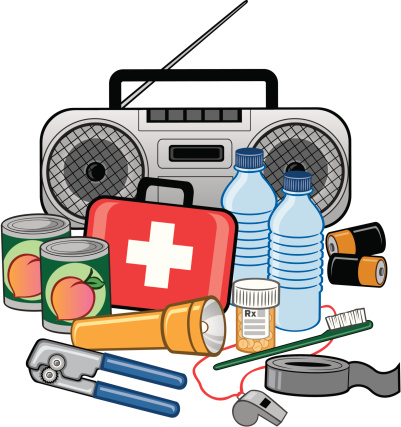
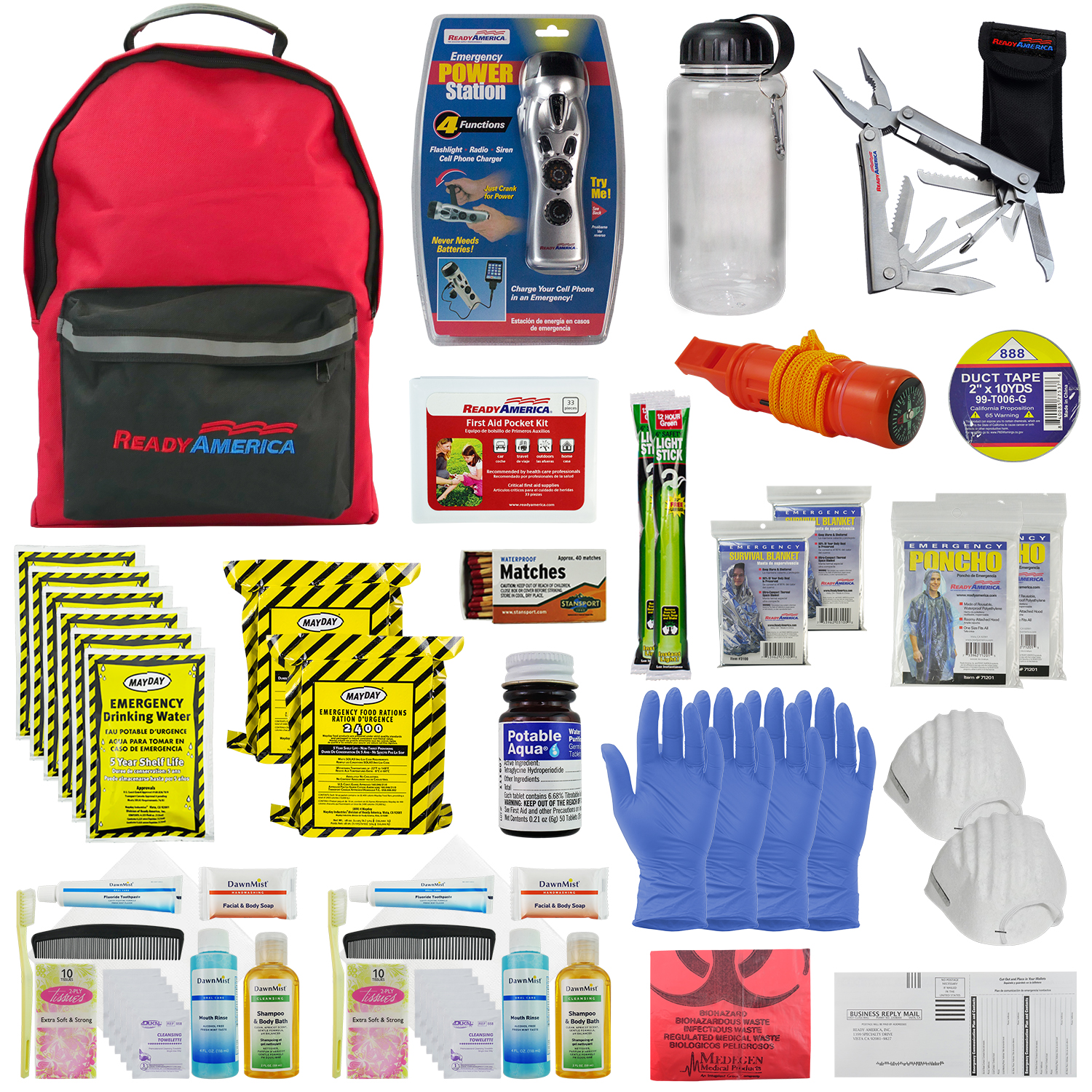
Given the essential value of preparedness in times of dilemma, an essential component that organizations must attend to is the facility of an emergency situation package. When putting together an emergency situation kit, it is necessary to consider the certain needs and situations of the company. Additionally, organizations need to include essential records, such as contact listings, insurance policy details, and emergency action strategies, in waterproof containers within the kit.
Establishing Emptying Treatments
To make certain the safety and orderly emptying of workers throughout emergency situations, companies have to establish clear and effective emptying treatments. Discharge treatments need to encompass a series of potential scenarios, including fires, natural disasters, or other emergencies that need quick emptying.
In addition, organizations must establish a system for audit for all personnel during an emptying to guarantee that every person has actually securely exited the properties. Communication plays an important function in discharge treatments, with clear instructions on exactly how to leave and when to do so. Normal review and upgrading of discharge treatments based upon feedback and altering conditions are vital to maintaining the efficiency of the strategy.
Verdict
To conclude, developing a detailed emergency situation readiness strategy is critical for making sure the security and wellness of individuals in the event of a catastrophe (EMERGENCY PREPAREDNESS). By analyzing possible threats, developing an interaction strategy, constructing an emergency situation set, and developing discharge companies, treatments and people can be much better equipped to respond successfully to emergency situations. It is crucial to prioritize preparedness initiatives to mitigate the effect of calamities and protect lives and home
In the realm of preparedness, establishing a thorough emergency situation plan is not merely a job to inspect off a listing; it is an important cornerstone of any kind of browse around this web-site organization or person's durability strategy. When emergencies happen, having a strategy that details clear procedures for emergency situation, emptying, and interaction feedback can assist individuals act swiftly and decisively. a knockout post. By carrying out a comprehensive threat assessment, organizations can develop tailored emergency reaction plans that address their certain susceptabilities and guarantee efficient readiness for any type of prospective crisis
Establishing a clear and detailed interaction plan is necessary for reliable emergency situation readiness within companies. By evaluating prospective risks, creating an interaction plan, building an emergency package, and developing emptying companies, treatments and individuals can be better geared up to respond properly to emergency situations.